Technology
Graphene-Powered Brain–Computer Interfaces Poised to Transform Neurotech
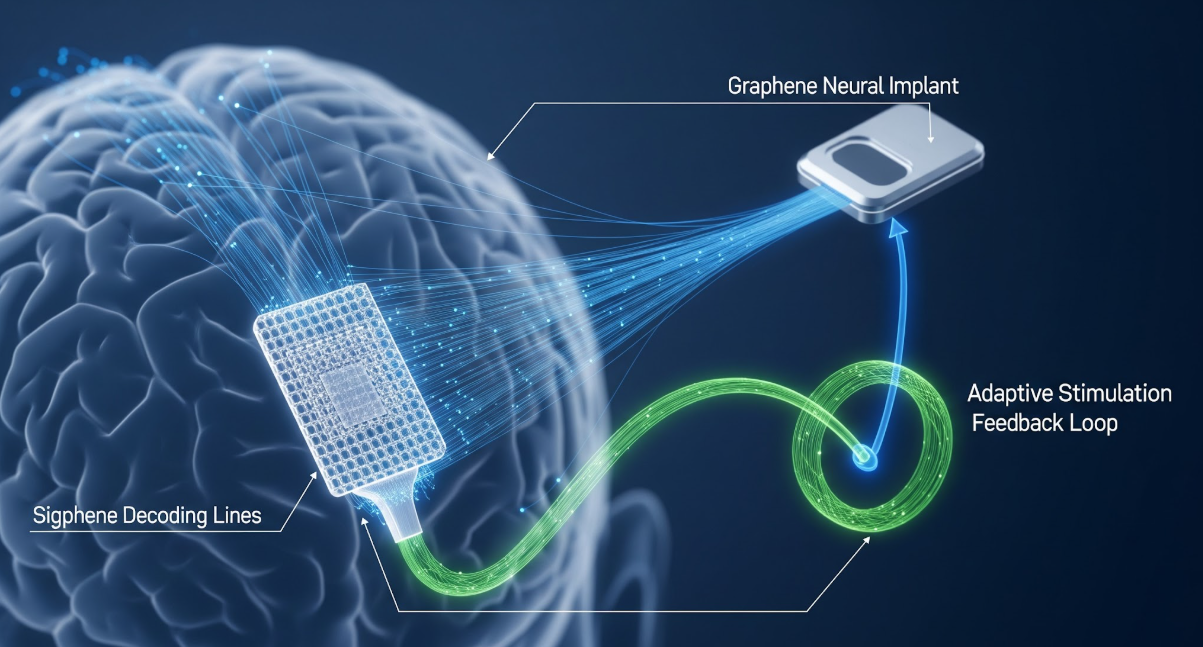
INBRAIN Neuroelectronics has been named a 2025 Technology Pioneer by the World Economic Forum for its graphene-based brain–computer interface (BCI) technology. These ultra-thin, minimally invasive implants decode and modulate neural activity in real time, targeting disorders like epilepsy and Parkinson’s. The innovation could usher in a new standard of precision neurotherapeutics.
INBRAIN Neuroelectronics, a neurotechnology company based in Barcelona, was recognized today by the World Economic Forum as one of its 2025 Technology Pioneers — a major accolade that underscores the company’s potential to redefine how brain–computer interfaces (BCIs) can be used in medicine.
At the heart of INBRAIN’s innovation is its graphene-based platform. Graphene, a single-atom-thick layer of carbon atoms, is remarkably biocompatible and flexible, making it ideal for creating implants that are both powerful and minimally invasive. INBRAIN’s devices are designed to sit directly on or near brain tissue, decoding neural signals with micrometric precision while also delivering targeted stimulation to modulate activity in real time.
Unlike traditional, rigid neural implants, INBRAIN’s graphene BCI promises reduced immune response, better long-term stability, and far greater sensitivity. The company is particularly focused on neurological disorders such as epilepsy, Parkinson’s disease, and recovery from stroke. By continuously reading and adjusting neural activity, the system could potentially provide adaptive, personalized therapy — a form of treatment that responds dynamically to a patient’s needs.
Another big aspect of INBRAIN’s work is its ambition to earn reimbursement based on therapeutic outcomes. In other words, they want to build a model where the success of their BCI therapy is measurable in neural data, and healthcare systems pay for actual patient improvements — not just for implants. That could make these breakthrough devices more economically viable for widespread clinical use.
The WEF recognition also helps highlight the company’s role in shaping global neurotechnology and health policy debates. As a Technology Pioneer, INBRAIN will have the opportunity to engage directly with policymakers, industry leaders, and global visionaries on the future of neuroelectronic therapies.
If INBRAIN’s approach succeeds, we could be entering a new era of precision, adaptive brain therapies — far beyond what current neurostimulation or neuroprosthetic devices can deliver. This could lead to not only better treatments for chronic neurological conditions but also entirely new ways to interact with computing systems, potentially paving the way for interfaces that improve memory, cognition, or even mood.
In short, INBRAIN stands at the intersection of cutting-edge materials science, neural engineering, and personalized medicine. Their graphene-based BCI could be the next great leap in how technology augments and restores the human brain.